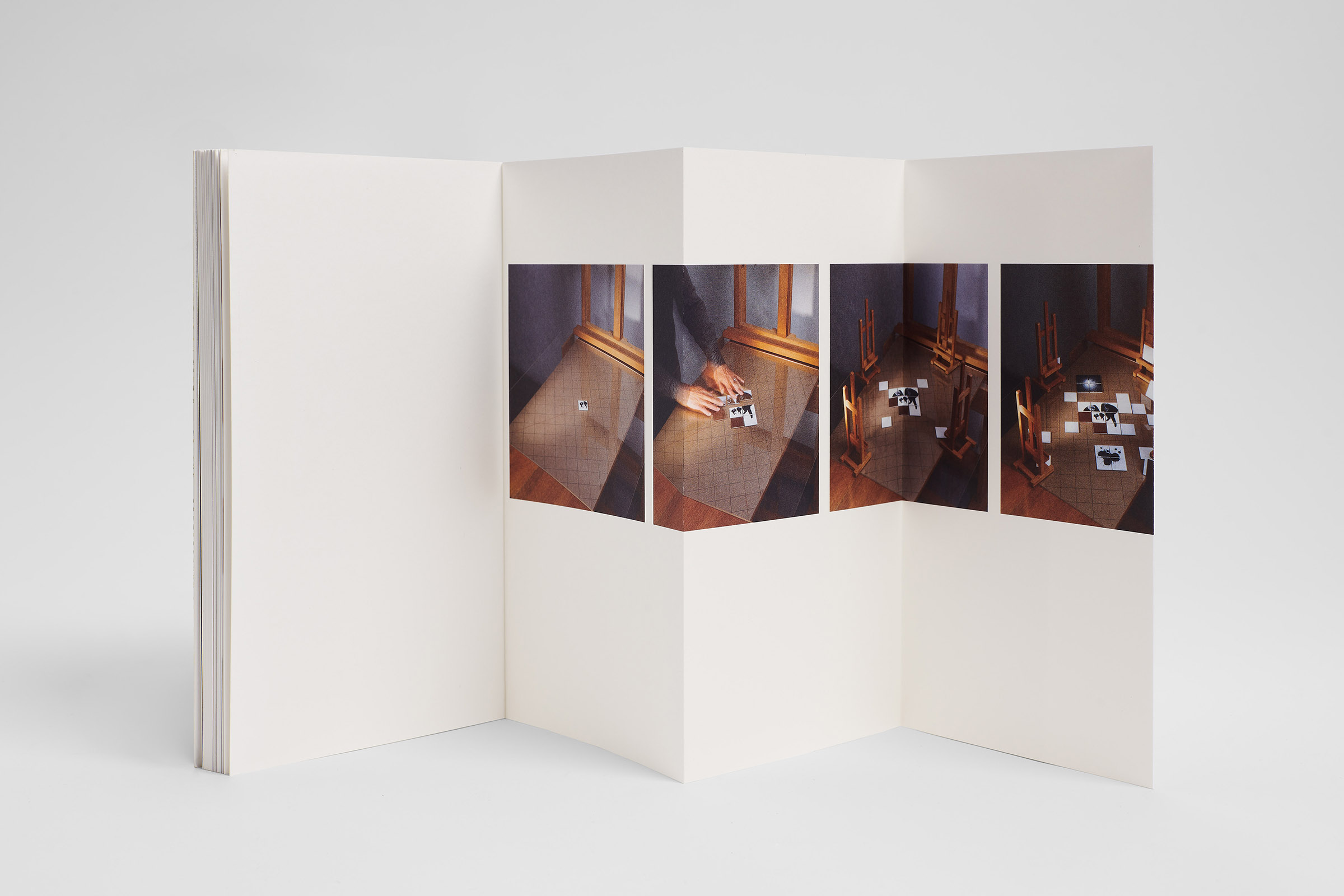
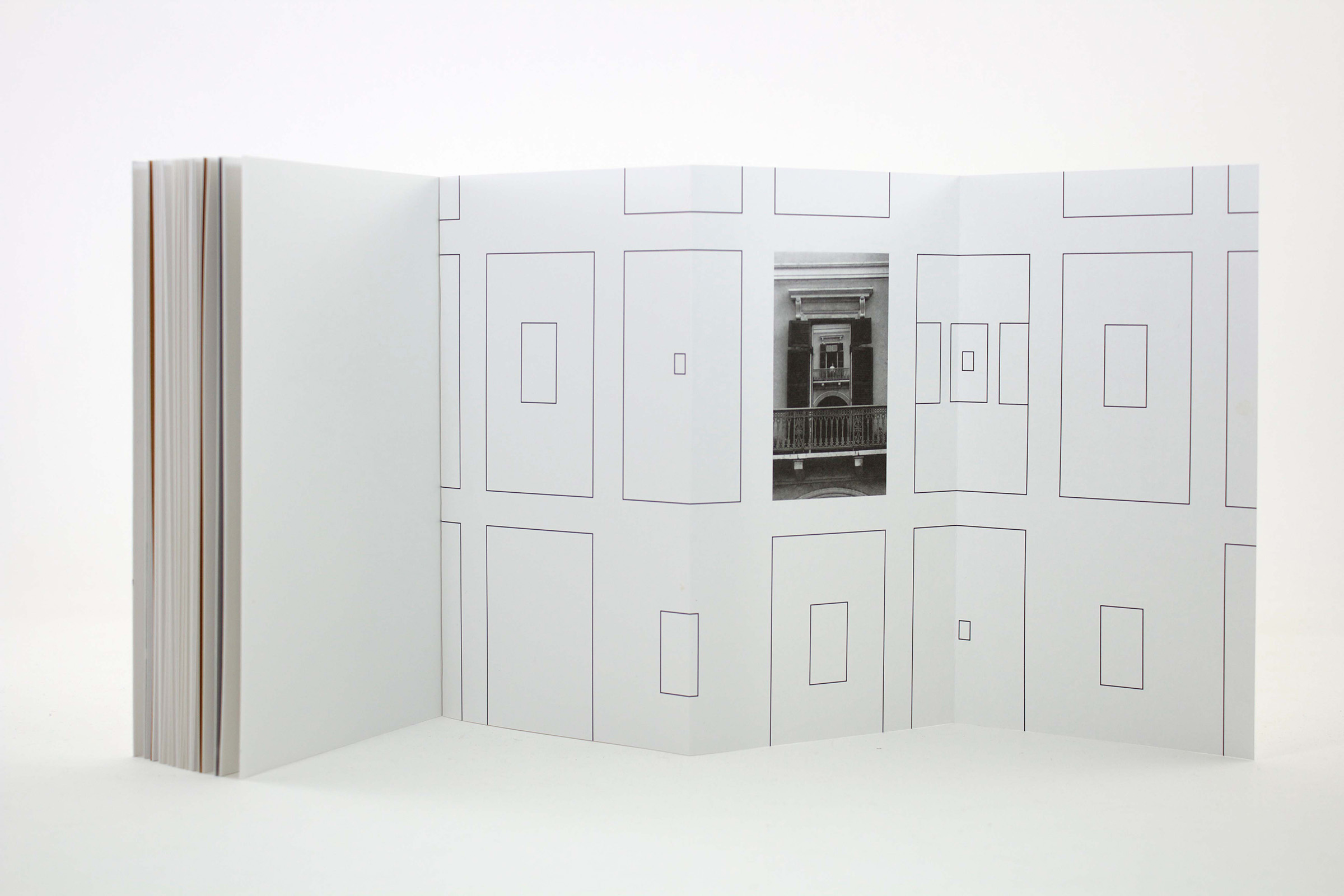
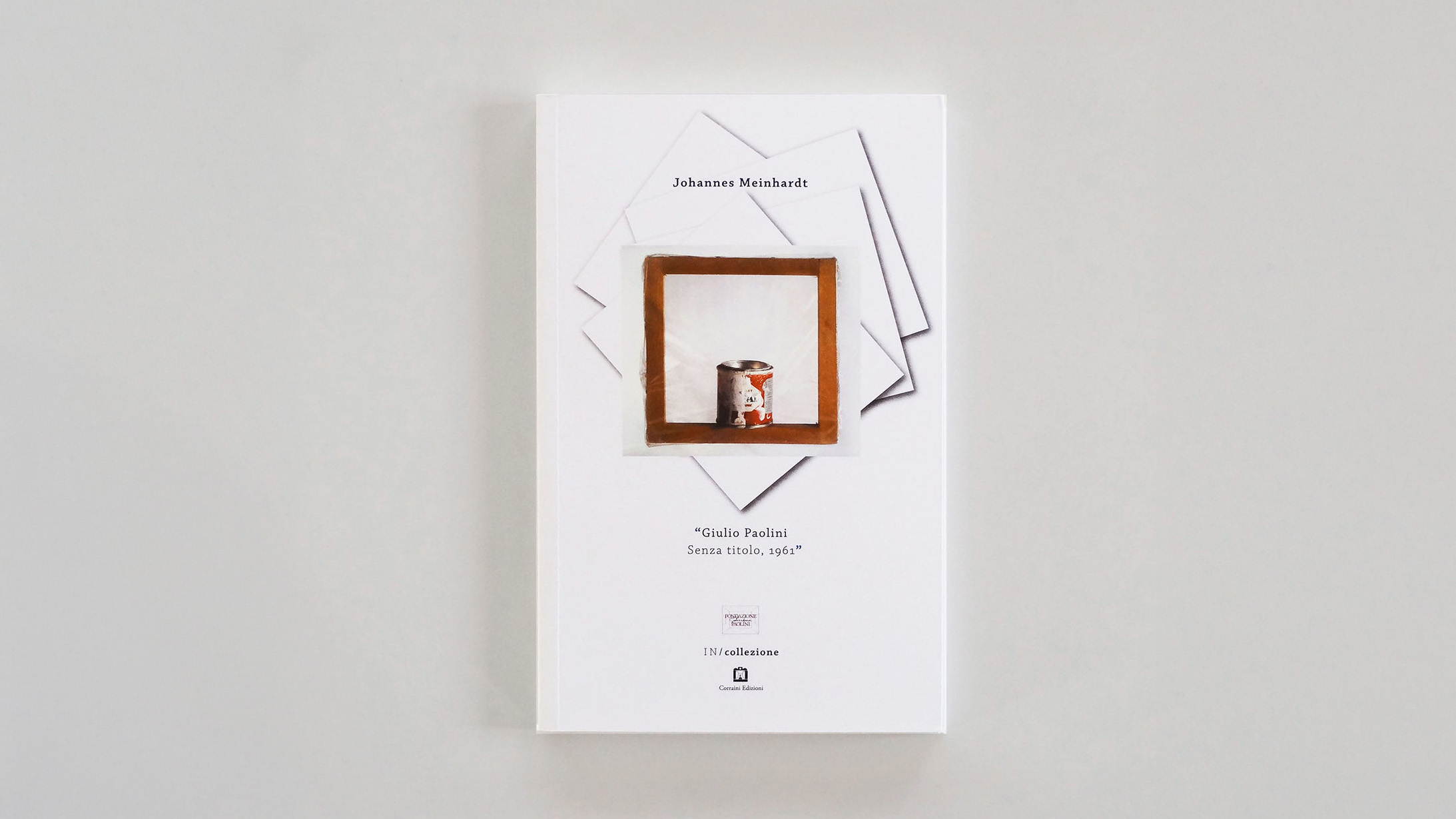
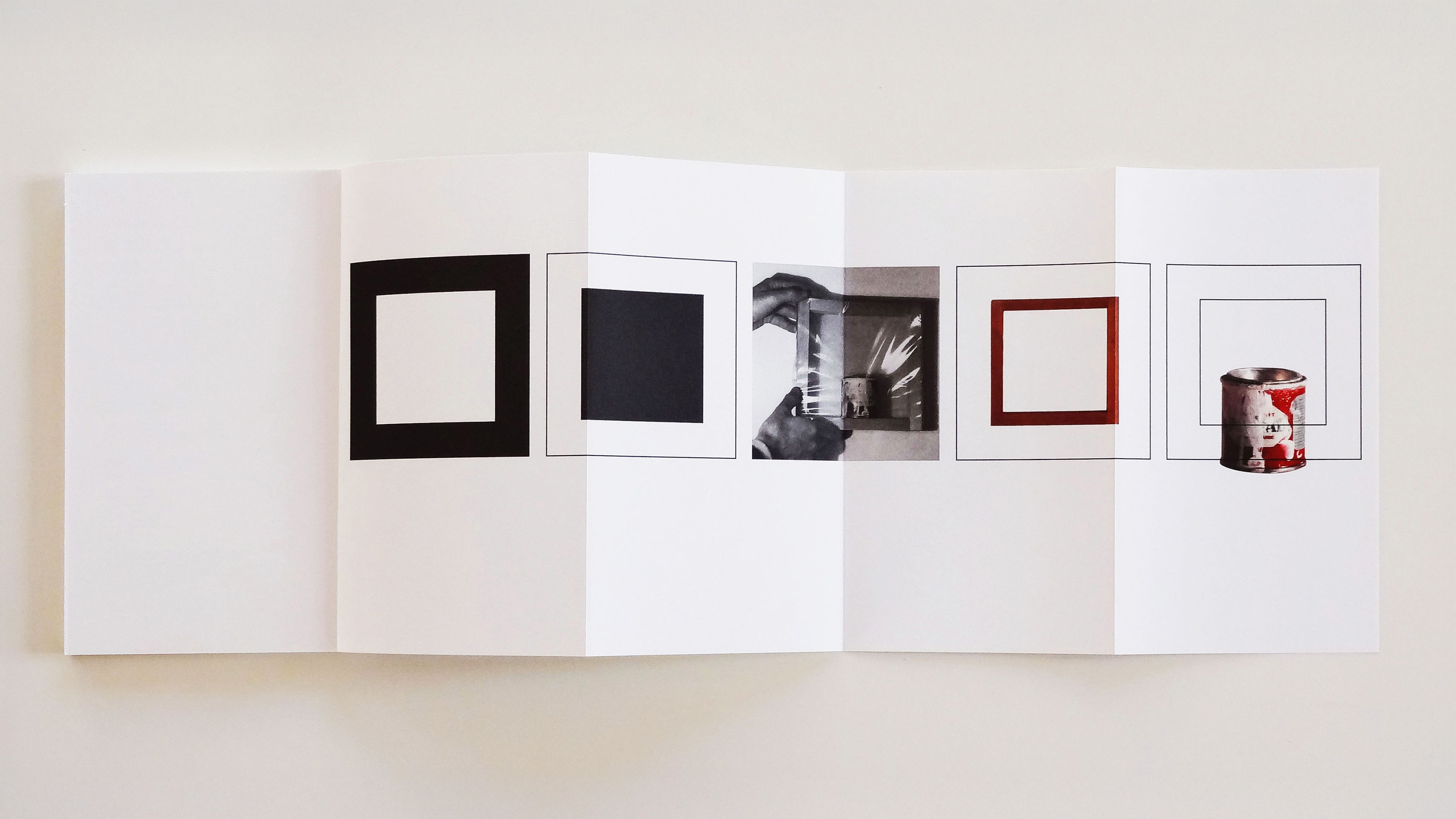
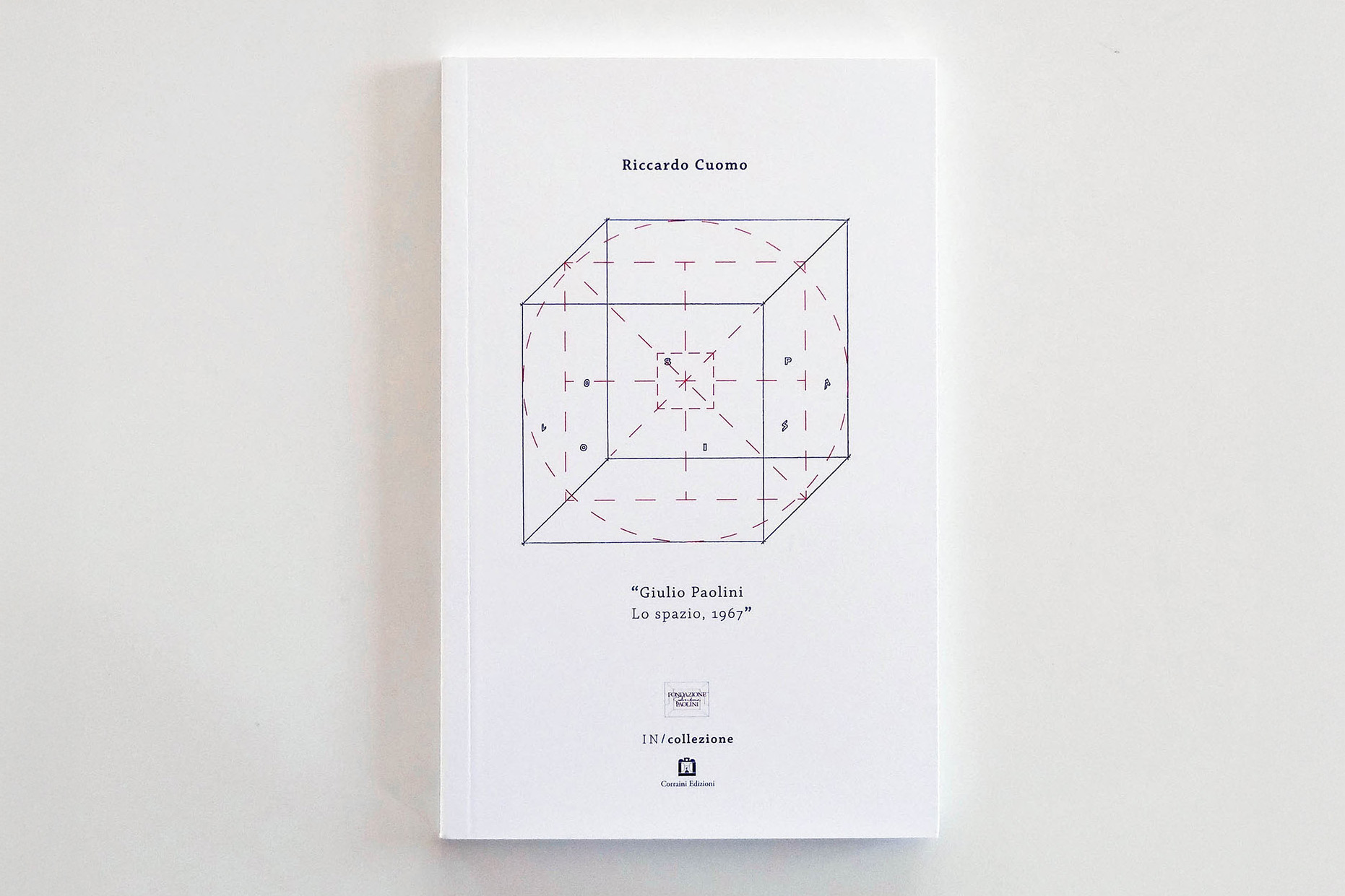
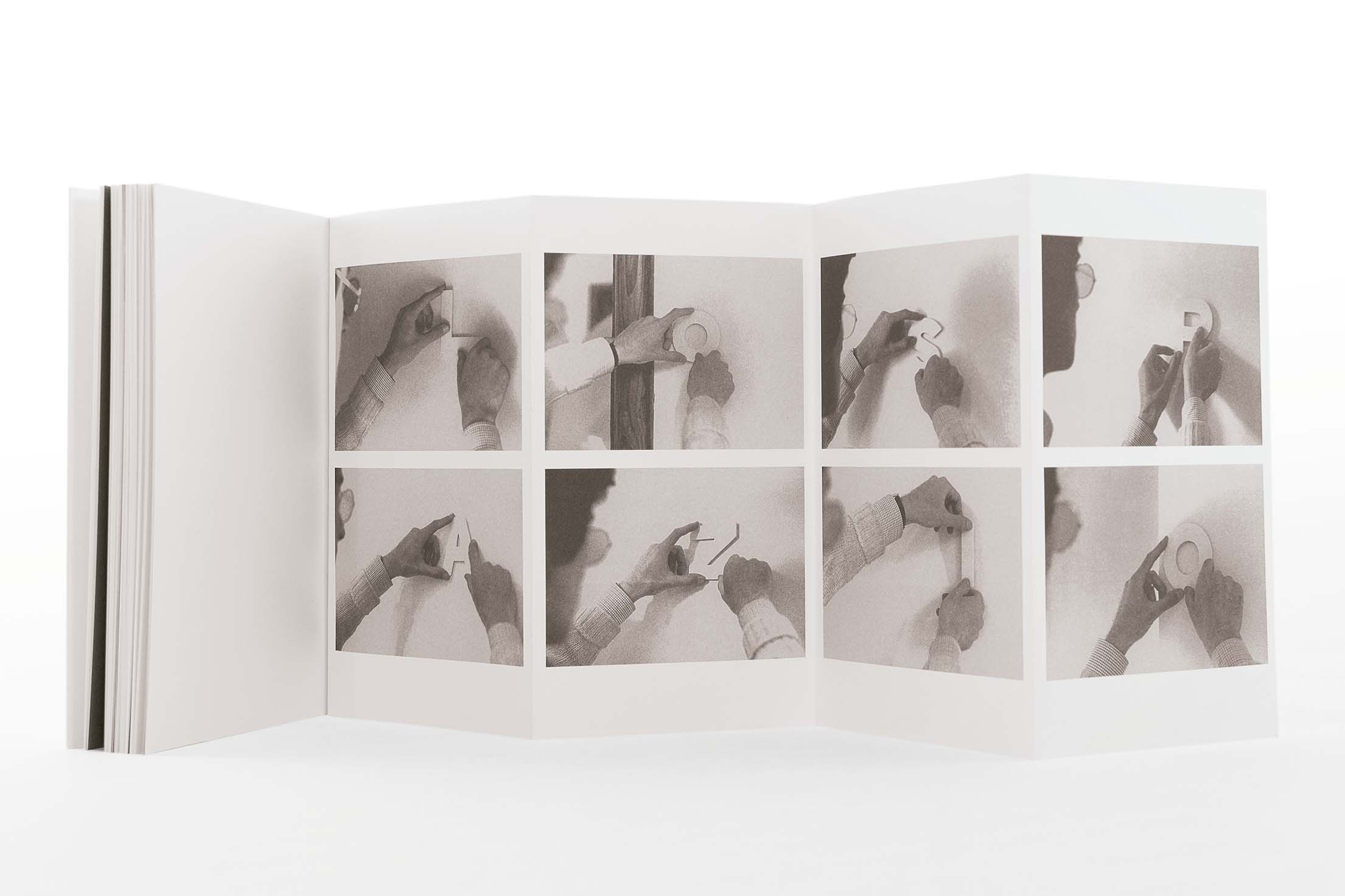
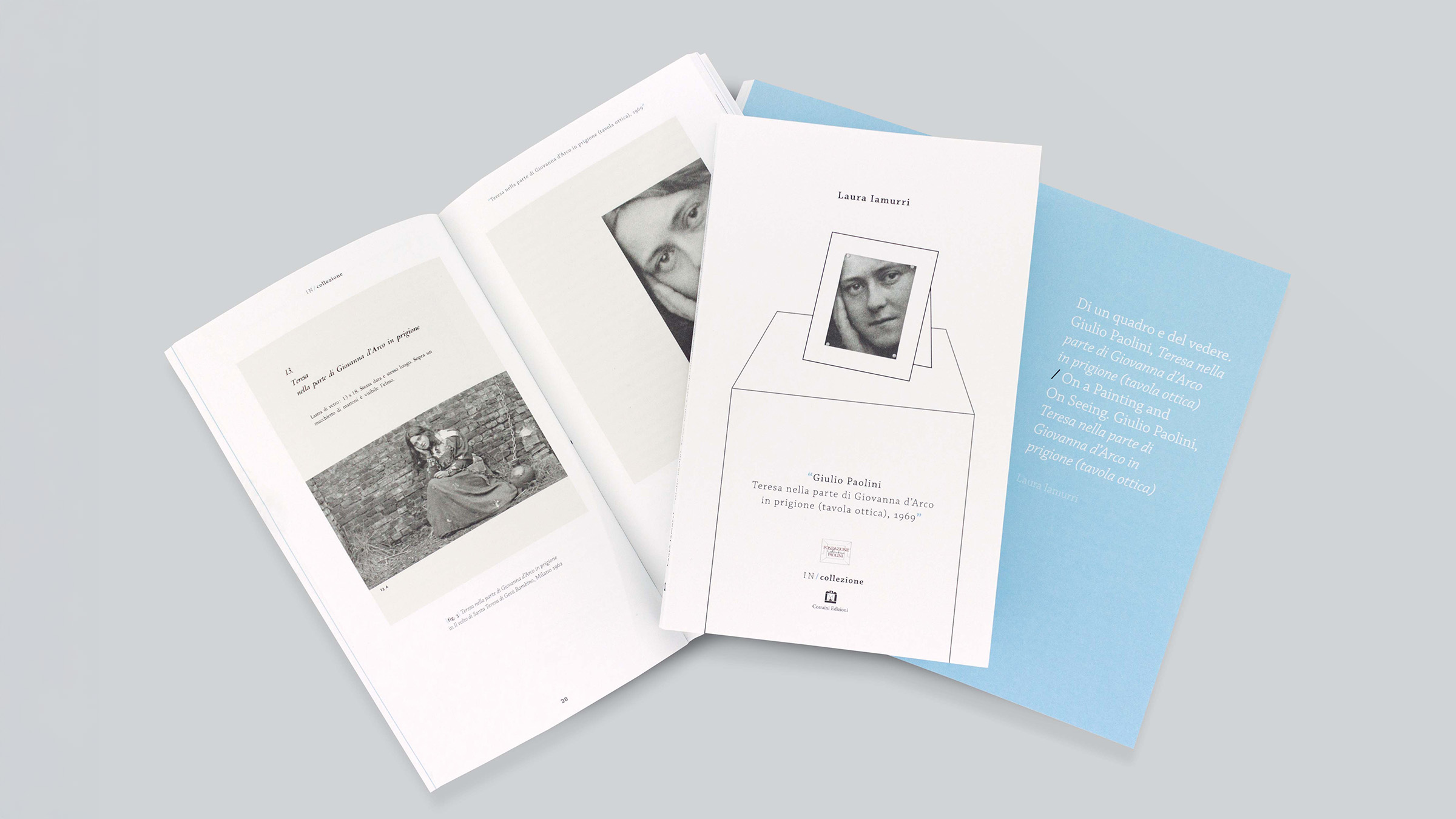
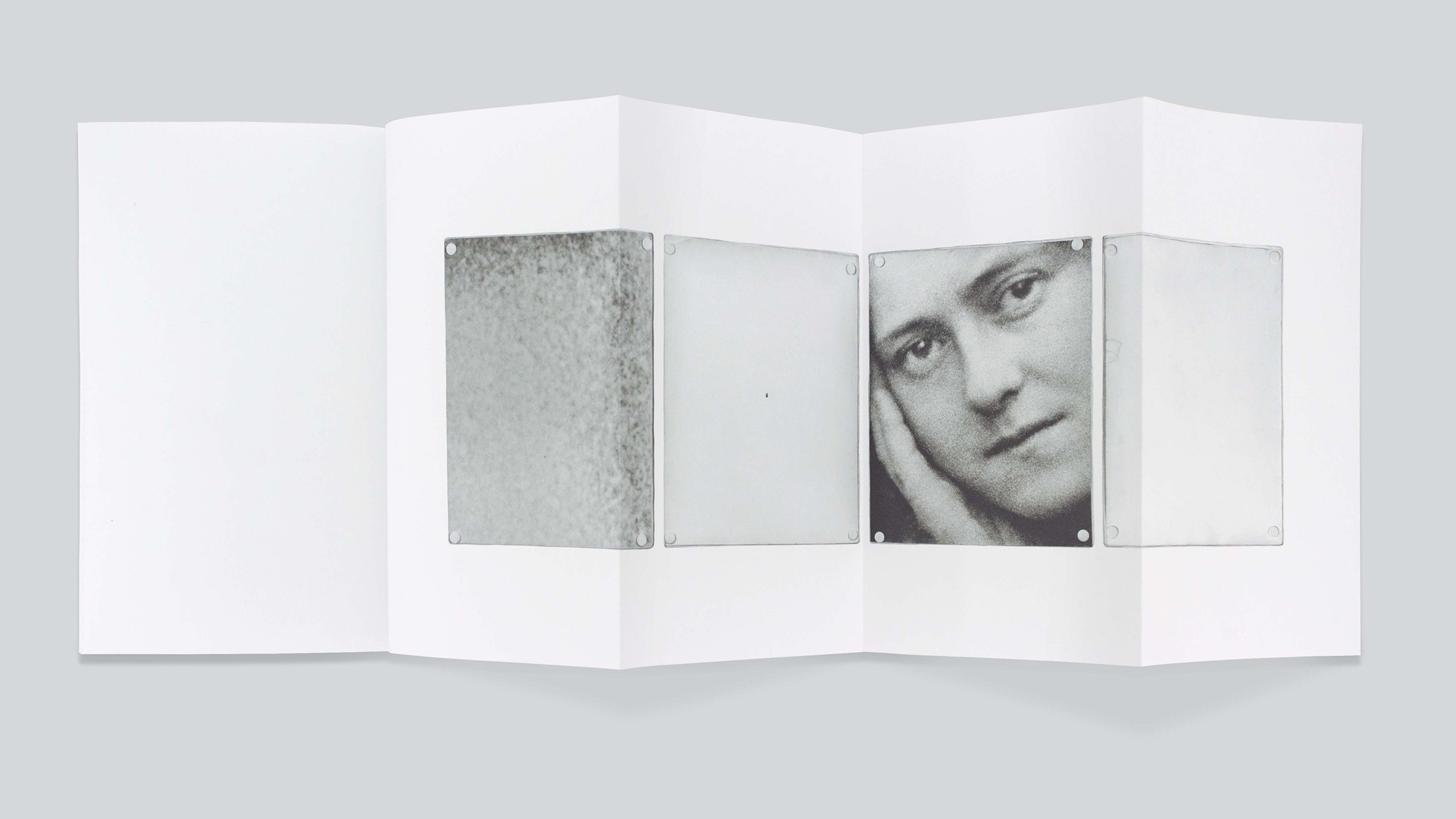
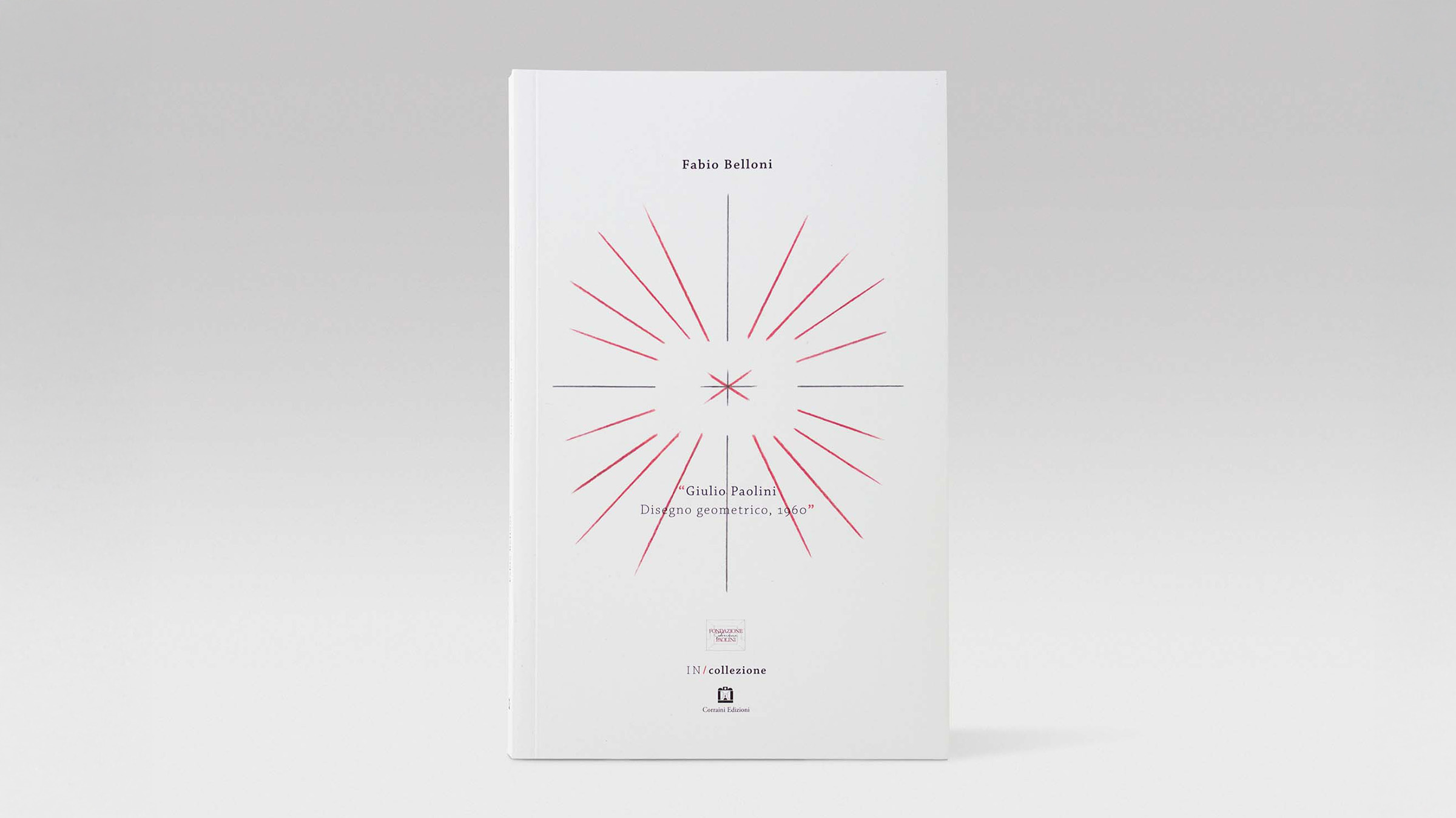
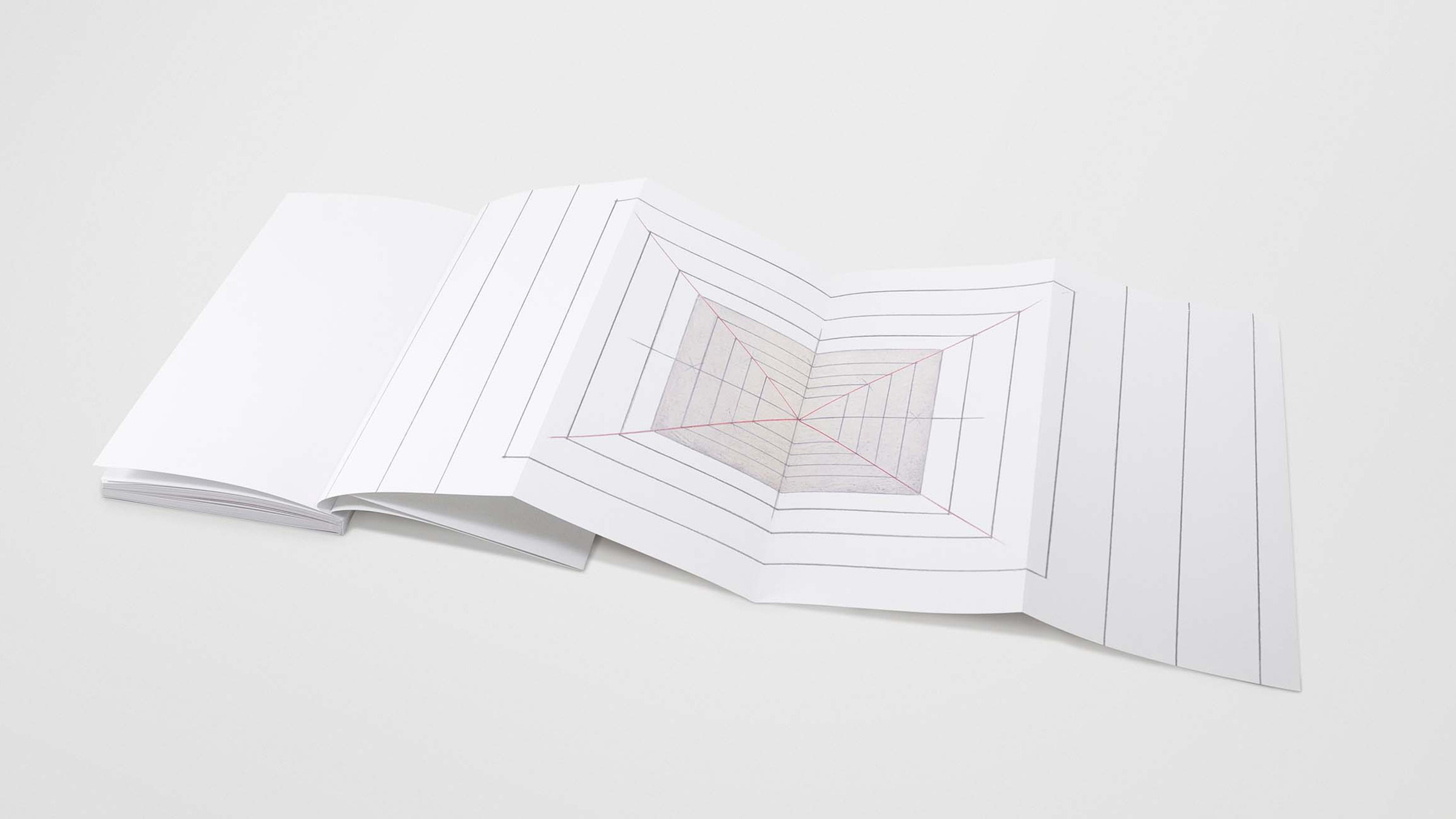
These monographic volumes commissioned from contemporary art scholars examine one specific work belonging to the Foundation’s collection. The cover and the fold-out at the back of the book are both designed by Giulio Paolini.
The series is published in collaboration with Corraini Edizioni, Mantua.
13 x 21 cm, illustrations in b/w and colour, in Italian and English.
To purchase the books, please click here.
|
|
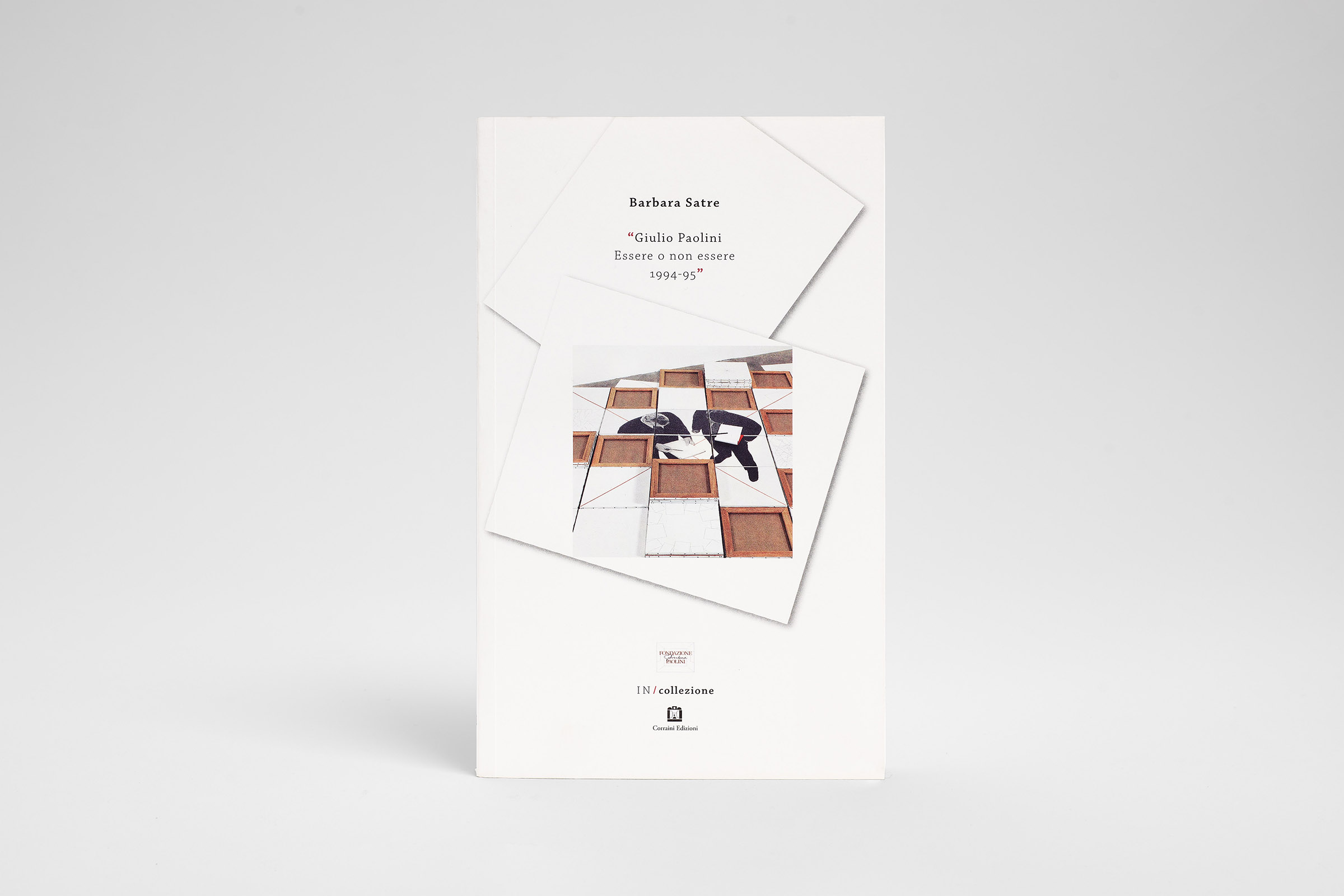
Barbara Satre, Giulio Paolini. Essere o non essere, 1994-95, “In collezione”, no. 1, 2014 (96 pages) The author brings into play a theme that is staged in his works time and time again: the journey towards the artwork, the design of the work as it comes into being. Barbara Satre’s essay is followed by an afterword by Maddalena Disch, as well as back matter which includes technical data on the work, an exhibition history, bibliographical information, and a short critical anthology. |
|
|
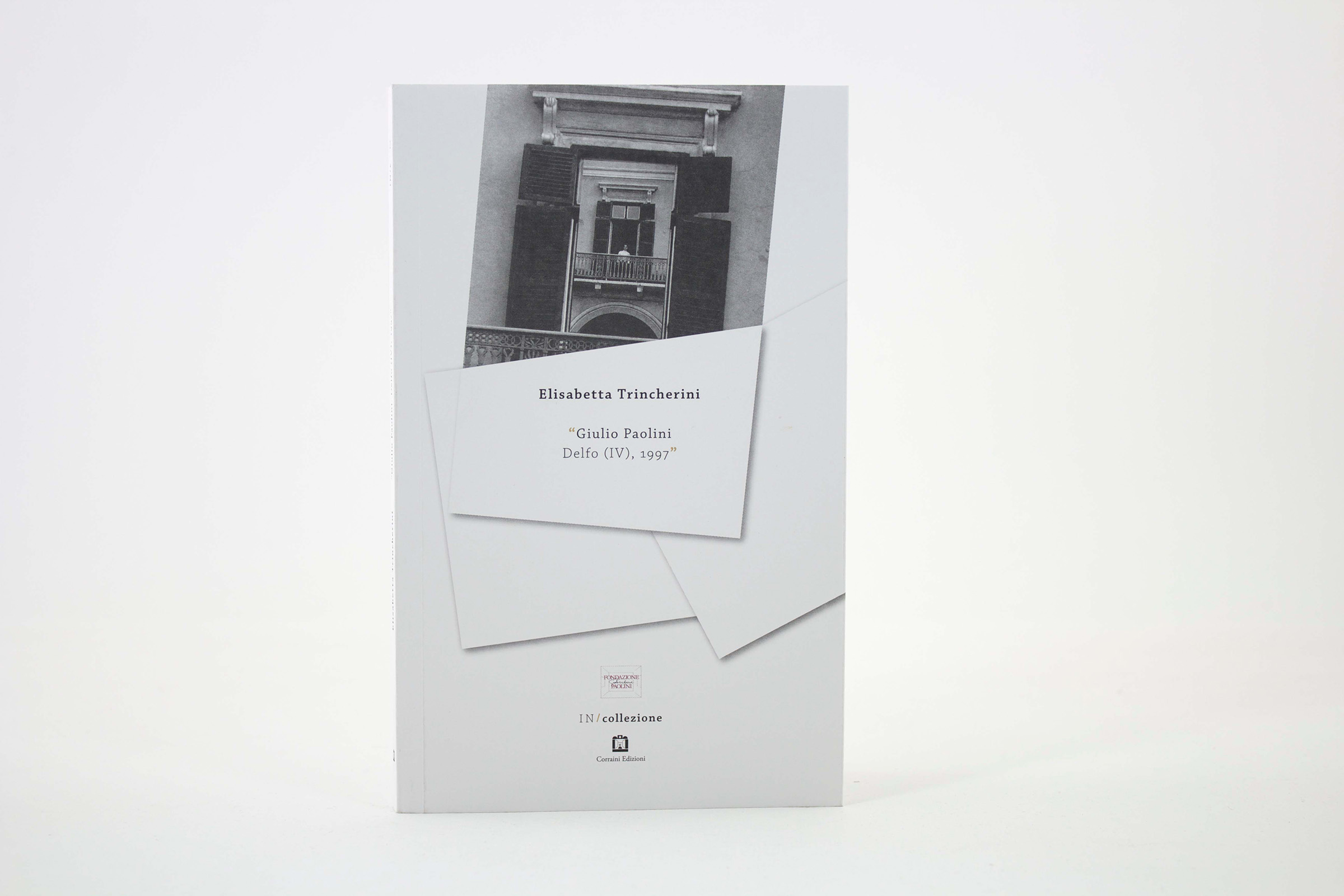
Elisabetta Trincherini, Giulio Paolini. Delfo (IV), 1997, “In collezione”, no. 2, 2015 (80 pages) The common thread in the author’s thoughts is the relationship between the author and the spectator, analysed through the spatial construct and the photographic language underlying the work. The analysis is supported by scientific, philosophical and art-historical references, as well as by perspicacious comparisons with other works by the artist. |
|
|
Johannes Meinhardt, Giulio Paolini. Senza titolo, 1961, “In collezione”, no. 3, 2015 (96 pages) By looking back at the art-historical debate that unfolded in around 1960 on painting and the concept of the painting as object, and via an accurate analysis of other works by the artist, Johannes Meinhardt succeeds in casting light on the originality of the assumptions developed by Paolini during the first five years of his activity. |
|
|
Riccardo Cuomo, Giulio Paolini. Lo spazio, 1967, “In collezione”, no. 4, 2016 (96 pages) The author especially focuses on the intricate juxtaposition between the conceptual and physical-perceptive elements that distinguish the work analyzed. The author also compares the tautological and linguistic component of Lo spazio with several contemporary works by Luciano Fabro and Alighiero Boetti, as well as with other works by Paolini. |
|
|
Laura Iamurri, Giulio Paolini. Teresa nella parte di Giovanna d’Arco in prigione (tavola ottica), 1969, “In collezione”, no. 5, 2018 (72 pages) Laura Iamurri examines the work starting from the source of the image, and from the artist’s output dating to the same period. Reflecting on the intersections between this work by Paolini and Michelangelo Antonioni’s Blow-Up, the author develops new interpretations based on the motifs and themes called into question by the artist, and especially as concerns the visual act. |
|
|
Fabio Belloni, Giulio Paolini. Disegno geometrico, 1960, “In collezione”, no. 6, 2019 (128 pages) In 1960 Giulio Paolini created a work with the help of a handbook, a ruling pen, and a compass; several years later he recognized that painting as being his own rite of initiation as an artist. Fabio Belloni is the first to put forward an in-depth critical reading of Disegno geometrico. He explores the work’s genesis and meanings, and the powerful role it has played in the artist’s oeuvre as well as in contemporary art. |